

Biofilm in Water Tanks: What It Is, Why It Forms, and How Professional Cleaning Removes It
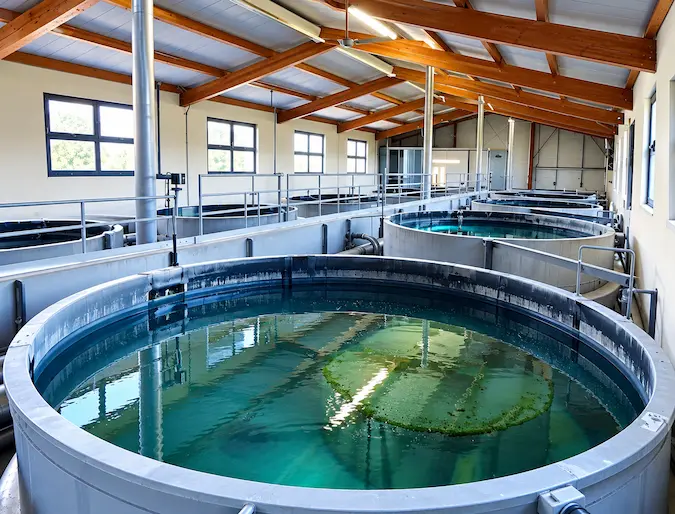
Biofilm in Water Tanks 11 August 26
Many property owners assume that if the water coming from their taps looks clear, their water storage tank must also be clean. However, some of the biggest water quality problems begin long before there are visible signs of contamination. One of the most common yet overlooked issues is biofilm in water tanks.
Biofilm is a thin, sticky layer of microorganisms that attaches to the inside surfaces of water storage tanks and pipelines. Once established, it can protect harmful bacteria from disinfectants, affect water quality, and become difficult to remove without professional cleaning.
Understanding how biofilm forms and why it matters can help homeowners, businesses, and facility managers maintain safer and cleaner water storage systems.
What Is Biofilm in a Water Tank?
Biofilm is a naturally occurring layer of microorganisms, including bacteria, fungi, algae, and other microbes, that attach themselves to wet surfaces.
Instead of floating freely in water, these microorganisms produce a protective coating that allows them to stick firmly to tank walls, pipes, and fittings. Over time, this coating traps nutrients, sediment, and additional microorganisms, allowing the biofilm to grow thicker.
Unlike dirt or sludge, biofilm is alive. It continues to develop as long as conditions inside the tank remain favourable.
Why Does Biofilm Form Inside Water Tanks?
Biofilm doesn't appear overnight. It develops gradually when microorganisms find the right environment to multiply.
Several factors contribute to its formation:
- Warm temperatures
- Standing water with little movement
- Sediment accumulating at the bottom of the tank
- Organic matter entering through poorly sealed lids
- Delayed maintenance and cleaning
- Moist internal tank surfaces
Dubai's climate can create favourable conditions for microbial growth if water tanks are left unmaintained for long periods.
How Biofilm Develops Step by Step
Biofilm formation follows a predictable process.
Stage 1: Surface Attachment
Naturally occurring bacteria in water begin attaching to the inner walls of the tank.
Stage 2: Protective Layer Formation
The bacteria produce a sticky protective layer that helps them remain attached to the surface.
Stage 3: Colony Growth
Additional microorganisms join the existing layer, creating larger microbial colonies.
Stage 4: Mature Biofilm
Over time, the biofilm becomes thicker and more resistant to environmental changes and disinfectants.
Once this stage is reached, routine rinsing or flushing is rarely enough to remove it completely.
Why Biofilm Is a Concern for Water Quality?
Biofilm is more than just a slimy layer inside a tank. It can directly affect water hygiene and storage conditions.
Some common concerns include:
- Reduced water quality
- Musty or unpleasant odours
- Discoloured water
- Increased bacterial growth
- Algae development
- Greater risk of contamination inside storage systems
Because microorganisms are protected within the biofilm layer, they are often more difficult to eliminate than bacteria floating freely in water.
Biofilm vs Sludge: What's the Difference?
These two terms are often confused, but they describe different problems.
Biofilm | Sludge |
| Living microorganisms | Dirt, dust and sediment |
| Forms on tank walls | Collects mainly at the bottom |
| Often invisible in early stages | Usually visible |
| Protects bacteria | Mainly consists of physical debris |
| Requires thorough cleaning and disinfection | Removed through physical cleaning |
A water tank may contain both sludge and biofilm simultaneously, which is why professional maintenance addresses each issue separately.
Why Cleaning Alone May Not Be Enough?
Removing visible dirt is an important first step, but biofilm can remain attached to internal surfaces even after loose debris has been removed.
This is why professional maintenance often combines physical cleaning with disinfection.
Cleaning removes sediment, algae, and accumulated deposits, while disinfection helps reduce microorganisms remaining on cleaned surfaces.
Together, these processes provide a far more effective approach than either method alone.
For a deeper understanding of how these two processes work together, read our guide on Water Tank Cleaning vs Water Tank Disinfection: What's the Difference and Why Both Matter?
How Professional Water Tank Cleaning Helps Remove Biofilm?
Professional technicians use a systematic process designed to clean both visible contamination and difficult-to-reach areas where biofilm may develop.
The process generally includes:
- Complete draining of the tank
- Removal of sludge and sediment
- Mechanical scrubbing of internal surfaces
- High-pressure cleaning where appropriate
- Careful inspection of the tank interior
- Application of approved disinfectants
- Thorough rinsing before refilling
This approach helps reduce conditions that allow biofilm to develop again while improving overall water hygiene.
If you're looking for a complete cleaning solution, explore our Professional Water Tank Cleaning Services in Dubai.
Can Biofilm Be Prevented?
While it cannot always be eliminated permanently, regular maintenance significantly reduces the likelihood of heavy biofilm development.
Good preventive practices include:
- Keeping tank lids tightly sealed
- Preventing debris from entering the tank
- Inspecting tanks regularly
- Cleaning tanks on a scheduled basis
- Addressing leaks promptly
- Avoiding prolonged water stagnation
- Maintaining connected pipelines
Routine inspections help identify small issues before they become larger maintenance problems.
Warning Signs That Biofilm May Be Developing
Biofilm is not always visible during its early stages, but there are warning signs that should not be ignored.
These include:
- Persistent musty odours
- Slimy surfaces inside the tank
- Cloudy or discoloured water
- Algae growth
- Sediment accumulation
- Changes in water taste
- Reduced confidence in water quality
If you notice any of these signs, it may be time to schedule a professional inspection.
You may also find our article on Top Signs That Your Water Tank Needs to Be Disinfected helpful for identifying early warning signs.
Why Regular Maintenance Matters?
Many property owners only think about water tanks when a problem becomes obvious.
However, preventive maintenance is usually more effective than reactive cleaning.
Regular servicing helps:
- Maintain better water hygiene
- Reduce sediment accumulation
- Minimise microbial growth
- Improve overall water quality
- Extend the lifespan of water storage tanks
- Support healthier water systems in homes and commercial buildings
Consistent maintenance also makes future cleaning easier by preventing heavy biofilm build-up.
Frequently Asked Questions
Can chlorine remove biofilm completely?
Chlorine helps reduce microorganisms, but mature biofilm can protect bacteria beneath its surface. This is why physical cleaning is an essential part of effective maintenance.
Is biofilm dangerous?
Biofilm itself is a natural microbial community, but it can create conditions where unwanted microorganisms survive and multiply, affecting water quality if left unmanaged.
How often should water tanks be cleaned?
Cleaning frequency depends on the type of property, tank usage, and local maintenance recommendations. Regular inspections help determine when professional cleaning is required.
Can biofilm return after cleaning?
Yes. Biofilm can gradually develop again if maintenance is neglected. Routine cleaning and inspections help keep it under control.
Final Thoughts
Biofilm is one of the most overlooked issues affecting water storage systems. Although it often begins as an invisible layer of microorganisms, it can eventually contribute to poor water quality, unpleasant odours, and increased microbial growth if left untreated.
The good news is that biofilm can be effectively managed through regular maintenance, proper cleaning, and professional disinfection when required. Rather than waiting for visible contamination to appear, scheduling preventive maintenance helps keep your water storage system cleaner, healthier, and operating efficiently.
Whether you manage a residential property, commercial building, or industrial facility, understanding how biofilm develops is the first step towards protecting your water supply and extending the life of your storage system.


