

Water Tank Cleaning vs Water Tank Disinfection: What's the Difference and Why Both Matter?
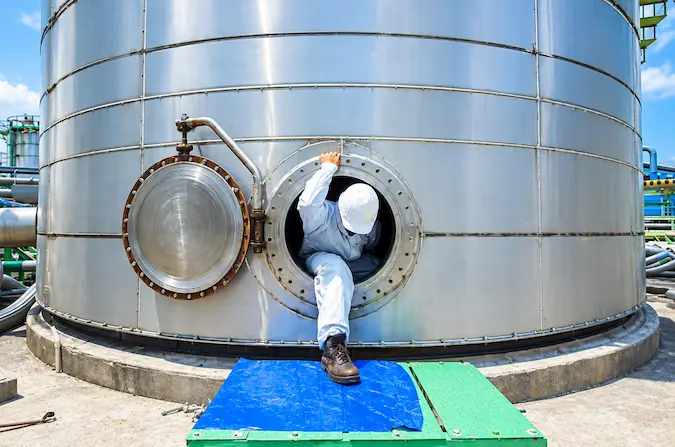
Water Tank Cleaning 04 August 26
Clean water starts with a clean storage system, but many property owners assume that cleaning and disinfection are the same thing. In reality, they are two separate processes that work together to keep stored water safe.
Whether you own a villa, apartment building, commercial property, or industrial facility in Dubai, understanding the difference between water tank cleaning and water tank disinfection can help you maintain better water quality and comply with recommended hygiene practices.
In this guide, we'll explain how each process works, when they're needed, and why skipping either one can affect the quality of your stored water.
What Is Water Tank Cleaning?
Water tank cleaning is the process of physically removing dirt, sludge, sediment, algae, rust, and other visible contaminants from the inside of a water storage tank.
Over time, even properly sealed tanks collect debris. Dust, sand, mineral deposits, and organic matter settle at the bottom, while algae and biofilm may develop on the walls if maintenance is delayed.
A professional water tank cleaning service typically includes:
- Draining the tank
- Removing sludge and sediment
- Scrubbing internal surfaces
- Pressure washing where appropriate
- Removing debris and residue
- Final rinsing before the next step
Cleaning improves the physical condition of the tank but does not eliminate all bacteria or microorganisms.
What Is Water Tank Disinfection?
Water tank disinfection focuses on eliminating harmful microorganisms that cannot be seen with the naked eye.
After a tank has been cleaned, approved disinfectants are applied to destroy bacteria, viruses, fungi, and other pathogens that may remain on internal surfaces.
Professional disinfection generally includes:
- Application of approved disinfectant solutions
- Recommended contact time for effective treatment
- Thorough rinsing
- Safe refilling of the tank
Disinfection helps improve the microbiological safety of stored water, making it suitable for everyday use when carried out correctly.
Water Tank Cleaning vs Water Tank Disinfection: The Key Differences
Water Tank Cleaning | Water Tank Disinfection |
| Removes dirt, sludge and sediment | Eliminates bacteria and microorganisms |
| Physical cleaning process | Chemical or approved disinfectant process |
| Improves cleanliness | Improves hygiene and water safety |
| Removes visible contamination | Removes invisible contamination |
| Always performed first | Performed after cleaning |
The two processes are complementary rather than interchangeable.
Why Cleaning Alone Isn't Enough?
A tank may look spotless after cleaning, but microscopic bacteria can still remain on internal surfaces.
Similarly, applying disinfectant to a dirty tank is ineffective because accumulated sludge and biofilm can prevent disinfectants from reaching harmful microorganisms.
The most effective approach is always:
- Clean the tank thoroughly.
- Disinfect the cleaned surfaces.
- Rinse and refill safely.
This sequence provides a cleaner tank and better water hygiene.
Why Both Services Matter in Dubai?
Dubai's hot climate creates conditions where stagnant water, sediment, and organic matter can encourage microbial growth if tanks are not maintained regularly.
Regular cleaning and disinfection help:
- Maintain better water quality
- Reduce unpleasant odours
- Remove accumulated sediment
- Minimise bacterial growth
- Extend the lifespan of water storage tanks
- Support healthier water systems for homes and businesses
Whether it's a residential villa or a commercial building, routine maintenance is an important part of responsible property management.
When Should You Consider Both Services?
Professional cleaning and disinfection are recommended when:
- The tank hasn't been cleaned for an extended period.
- Water has an unusual smell or taste.
- Sediment is visible.
- Algae or slime has formed inside the tank.
- A property has been vacant for a long time.
- Renovation work may have introduced dust into the water system.
- Regular preventive maintenance is due.
Rather than waiting for visible problems, scheduled maintenance helps prevent issues before they affect water quality.
Can You Disinfect a Tank Without Cleaning It?
This is one of the most common questions property owners ask.
The simple answer is no.
Disinfectants work best on clean surfaces. If mud, sludge, algae, or mineral deposits remain inside the tank, they can reduce the effectiveness of the disinfectant by shielding bacteria from direct contact.
Professional services always prioritise cleaning before disinfection to ensure the treatment is effective.
Professional Cleaning vs DIY Maintenance
Basic external inspections can be carried out by property owners, but internal water tank cleaning requires specialised equipment, safe access procedures, and approved disinfection methods.
Professional technicians can:
- Safely enter and inspect tanks where required
- Remove heavy sediment efficiently
- Use suitable cleaning equipment
- Apply approved disinfectants correctly
- Ensure proper rinsing before returning the tank to service
For drinking water systems, professional maintenance provides greater confidence that the job has been completed thoroughly.
Frequently Asked Questions
Is water tank cleaning the same as disinfection?
No. Cleaning removes physical dirt and debris, while disinfection targets bacteria and other microorganisms. Both processes work together to maintain water hygiene.
Which comes first: cleaning or disinfection?
Cleaning always comes first. Disinfection is performed after all visible contaminants have been removed.
How often should a water tank be cleaned?
The appropriate schedule depends on the property type, tank usage, and maintenance history. Regular inspections help determine the right cleaning interval for your building.
Do residential and commercial tanks require different maintenance?
The cleaning process is similar, but larger commercial systems often require additional planning, specialised equipment, and maintenance documentation.
Final Thoughts
Water tank cleaning and water tank disinfection are not competing services-they are two essential parts of the same maintenance process.
Cleaning removes the visible contamination that builds up over time, while disinfection addresses the microscopic organisms that cleaning alone cannot eliminate. Together, they help maintain cleaner, safer water storage systems for homes, businesses, and commercial facilities.
If you're planning routine maintenance for your property, choosing a professional service that includes both cleaning and disinfection ensures your water storage system receives comprehensive care rather than only a partial solution.


