

Underground Water Tank Maintenance Checklist: How to Prevent Contamination and Costly Repairs
Underground Water Tank Maintenance 13 July 26
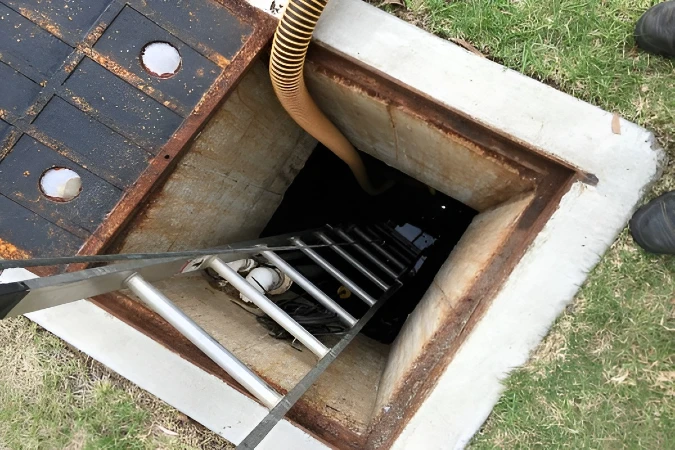
Underground water tanks play a vital role in storing clean water for homes, villas, commercial buildings, schools, and industrial facilities. Since these tanks are hidden below ground level, they're often overlooked until problems like cloudy water, unpleasant odors, sediment buildup, or costly structural damage begin to appear.
Unlike rooftop tanks, underground tanks are more vulnerable to groundwater seepage, soil movement, cracks, and hidden contamination. Without regular maintenance, these issues can affect water quality, shorten the tank's lifespan, and lead to expensive repairs.
A proactive maintenance routine helps keep your underground water tank in good condition while reducing the likelihood of contamination. This guide provides a practical maintenance checklist along with simple preventive measures to help property owners protect their water storage systems.
Why Underground Water Tanks Require Regular Maintenance
Although underground tanks are protected from direct sunlight, they are constantly exposed to environmental factors beneath the surface.
Some of the most common challenges include:
- Sediment accumulating over time
- Groundwater seepage through damaged walls
- Bacterial growth caused by stagnant water
- Rust or corrosion in metal components
- Cracks resulting from soil movement or ageing infrastructure
Routine maintenance allows these issues to be identified early before they develop into larger and more expensive problems.
For properties that rely on stored water every day, regular inspections combined with professional water tank cleaning help maintain cleaner water and improve the overall efficiency of the storage system.
Common Causes of Underground Water Tank Contamination
Understanding how contamination occurs makes it easier to prevent it.
1. Sediment Build-Up
Fine sand, dust, rust particles, and minerals gradually settle at the bottom of the tank. Over time, this sediment may affect water quality and create an environment where microorganisms can thrive.
2. Cracks and Groundwater Seepage
Small structural cracks may allow contaminated groundwater to enter the tank. Since underground tanks are surrounded by soil, unnoticed leaks can introduce bacteria, dirt, and other impurities into the stored water.
3. Stagnant Water
Water that remains unused for long periods may encourage bacterial growth and reduce overall water freshness.
4. Damaged Covers or Access Points
Loose lids or damaged inspection covers can allow insects, debris, dust, and even small animals to enter the tank.
5. Lack of Regular Cleaning
Even well-maintained underground tanks require periodic cleaning to remove sediment and contaminants that cannot be eliminated through routine inspections alone.
Underground Water Tank Maintenance Checklist
Use this checklist to help keep your underground water storage system in good condition throughout the year.
| Maintenance Task | Recommended Frequency |
| Inspect tank cover and access points | Monthly |
| Check for leaks, cracks, or seepage | Monthly |
| Monitor water colour, smell, and taste | Monthly |
| Remove visible debris around access areas | Monthly |
| Inspect inlet and outlet pipes | Every 3 Months |
| Check valves and overflow systems | Every 3 Months |
| Inspect internal tank condition | Every 6 Months |
| Schedule professional water tank cleaning | Every 6 Months (or as required) |
Following a consistent maintenance schedule helps reduce contamination risks and may prevent unexpected repair costs in the future.
Monthly Inspection Checklist
A quick visual inspection each month can help identify small problems before they become major issues.
During your monthly inspection, check for:
- Cracks around the tank structure
- Water leakage near the tank
- Damaged or loose access covers
- Dirt or debris around inspection openings
- Signs of pests or insects
- Unusual odours near the tank
- Changes in water clarity
If you notice any of these issues, it's advisable to arrange a more detailed inspection before they affect water quality.
Every Six Months: Schedule Professional Cleaning
Routine inspections are important, but they cannot remove the sediment and microbial contaminants that naturally accumulate inside a water tank.
A professional maintenance visit typically includes:
- Complete tank inspection
- Sediment and sludge removal
- Cleaning of internal surfaces
- Safe disinfection
- Final inspection before the tank is returned to service
Regular professional water tank cleaning services help maintain hygienic water storage while extending the lifespan of the tank.
Early Warning Signs Your Underground Water Tank Needs Attention
Many underground water tank issues develop gradually. Recognizing the warning signs early can help prevent contamination and costly repairs.
Watch for:
- Cloudy or discoloured water
- Unpleasant taste or smell
- Sediment coming from taps
- Reduced water pressure
- Damp patches around the tank area
- Visible cracks near inspection chambers
- Frequent plumbing blockages
- Water leakage around underground pipelines
These signs don't always indicate a major failure, but they shouldn't be ignored. Prompt maintenance or professional cleaning can often resolve the issue before it becomes more serious.
Preventive Maintenance Is More Cost-Effective Than Repairs
Waiting until a water tank develops leaks or contamination often results in higher repair costs and service disruptions.
Preventive maintenance helps:
- Extend the lifespan of the tank
- Reduce emergency repair expenses
- Maintain better water quality
- Improve system reliability
- Detect structural issues before they worsen
- Support healthier water storage for homes and commercial properties
A small investment in routine maintenance today can help avoid significant repair costs in the future.
Common Maintenance Mistakes That Can Lead to Costly Repairs
Many underground water tank problems are caused by overlooked maintenance rather than sudden failures. Avoiding these common mistakes can help protect your water quality and reduce unexpected repair expenses.
Skipping Regular Inspections
Because underground tanks are out of sight, they're often forgotten until a problem becomes obvious. Routine inspections help identify minor issues, such as cracks or sediment buildup, before they become costly repairs.
Ignoring Small Leaks
Even a small leak can allow groundwater, dirt, or contaminants to enter the tank. If left unattended, it may weaken the tank structure and affect stored water quality.
Delaying Professional Cleaning
Sediment and microbial buildup cannot always be detected during a basic inspection. Postponing professional cleaning allows contaminants to accumulate over time, increasing the risk of poor water quality.
Overlooking Tank Covers and Access Points
Damaged or loose covers may allow dust, insects, rodents, or debris to enter the tank. Keeping access points properly sealed is an important part of preventive maintenance.
Using Harsh Cleaning Chemicals
Cleaning products that are not suitable for potable water storage can leave harmful residues. Any cleaning or disinfection should be carried out using approved methods designed for drinking water tanks.
DIY Maintenance vs Professional Maintenance
Property owners can perform simple visual inspections, but deeper maintenance requires specialized equipment and expertise.
| DIY Maintenance | Professional Maintenance |
| Inspect tank covers | Internal tank inspection |
| Check for visible leaks | Sediment and sludge removal |
| Monitor water colour and smell | Professional cleaning and disinfection |
| Keep access areas clean | Structural assessment |
| Observe plumbing performance | Water quality inspection |
Routine checks by property owners are valuable, but combining them with professional water tank cleaning helps ensure the tank remains hygienic and operates efficiently.
When Should You Schedule Professional Water Tank Cleaning?
While monthly inspections help identify visible issues, professional cleaning should be considered if you notice:
- Cloudy or discoloured water
- Unpleasant taste or odour
- Excessive sediment
- Algae or microbial growth
- Reduced water quality
- Visible contamination
- More than six months since the previous cleaning
Professional cleaning removes contaminants that cannot be eliminated through routine maintenance alone.
Choosing a Reliable Underground Water Tank Maintenance Company
Selecting the right service provider is just as important as maintaining the tank itself.
Before booking a service, consider whether the company:
- Has experience with residential and commercial water tanks
- Uses approved cleaning and disinfection methods
- Provides thorough tank inspections
- Follows local hygiene and safety standards
- Offers transparent pricing and service details
- Has positive customer reviews and proven experience
Choosing an experienced provider helps ensure the work is completed safely and professionally.
Frequently Asked Questions
How often should an underground water tank be inspected?
A basic visual inspection is recommended every month, while a more detailed inspection and professional cleaning should be scheduled periodically depending on usage and maintenance requirements.
Why are underground water tanks more prone to contamination?
Underground tanks are exposed to groundwater pressure, soil movement, moisture, and hidden structural damage, making routine maintenance essential to prevent contamination.
Can I maintain an underground water tank myself?
Property owners can carry out basic inspections, such as checking for leaks, damaged covers, and changes in water quality. However, internal cleaning and disinfection should be performed by trained professionals.
What are the signs of poor underground water tank maintenance?
Common warning signs include:
- Cloudy or discoloured water
- Bad odour or unusual taste
- Sediment in tap water
- Low water pressure
- Water leakage around the tank
- Visible cracks or damp areas
Does regular maintenance reduce repair costs?
Yes. Preventive maintenance helps identify small issues before they develop into major structural damage, reducing long-term repair and replacement costs.
Final Thoughts
Underground water tanks are an important part of many residential and commercial properties, but because they remain hidden below ground, maintenance is often overlooked until problems arise.
Following a simple maintenance checklist, carrying out regular inspections, and addressing small issues early can help protect water quality, extend the life of the tank, and reduce the likelihood of expensive repairs.
While routine inspections can be handled by property owners or facility managers, periodic professional water tank cleaning remains an essential part of maintaining a hygienic water storage system.
Whether you manage a villa, apartment building, office, or commercial facility, investing in preventive maintenance today can help keep your underground water tank operating safely and efficiently for years to come.


