

Why Rooftop Water Tanks in Dubai Need More Frequent Cleaning Than You Think
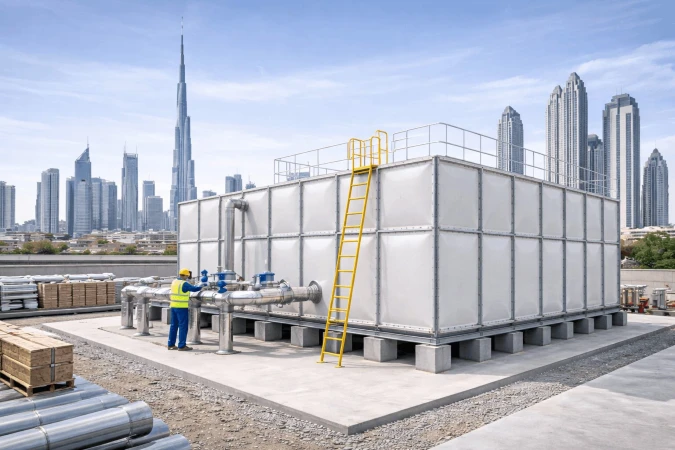
Rooftop Water Tanks in Dubai 30 July 26
Rooftop water tanks are a common feature in many villas, residential buildings, and commercial properties across Dubai. Positioned above buildings, these tanks provide a reliable supply of water for everyday activities such as drinking, cooking, bathing, and cleaning.
While their elevated location offers practical advantages, it also exposes them to environmental conditions that underground tanks don't typically experience. Constant sunlight, high temperatures, airborne dust, and seasonal sandstorms can all contribute to faster contamination if routine maintenance is overlooked.
Many property owners assume that because rooftop tanks are sealed, they remain clean indefinitely. In reality, even well-maintained tanks gradually accumulate sediment and other contaminants over time.
In this guide, we'll explore why rooftop water tanks in Dubai often require more frequent attention, the challenges they face, and how regular professional cleaning helps maintain cleaner and safer stored water.
Why Rooftop Water Tanks Face Different Challenges
Unlike underground water tanks that remain protected beneath the surface, rooftop tanks are continuously exposed to Dubai's outdoor environment.
Throughout the year, rooftop tanks experience:
- Direct sunlight for long hours
- High ambient temperatures
- Frequent dust and sandstorms
- Temperature fluctuations between day and night
- Exposure to airborne debris
Although modern water tanks are designed to withstand outdoor conditions, these environmental factors can gradually affect the cleanliness of stored water if maintenance is delayed.
How Dubai's Climate Affects Rooftop Water Tanks
Dubai's climate is one of the biggest reasons rooftop water tanks require closer attention.
Extreme Heat
Summer temperatures regularly exceed 40°C, increasing the temperature inside rooftop tanks.
Warm water creates favourable conditions for microbial activity if sediment or organic material is already present.
Dust and Sandstorms
Fine desert dust is carried by strong winds throughout the year.
Even small gaps around inspection covers, vents, or fittings may allow dust particles to enter the tank over time.
These particles gradually settle at the bottom, forming sediment that can affect water quality.
Humidity
During humid months, moisture combined with warm temperatures may contribute to conditions where algae or biofilm can develop if tanks are not properly maintained.
Continuous Water Usage
Most homes and commercial buildings in Dubai rely heavily on stored water every day.
Frequent filling and emptying of rooftop tanks naturally introduce small amounts of minerals and sediment that gradually accumulate over time.
5 Reasons Rooftop Water Tanks Become Dirty Faster
Several factors make rooftop tanks more vulnerable than many property owners realize.
1. Dust Accumulates More Quickly
- Dubai's desert environment means airborne dust is a daily reality.
- Even if the tank remains closed most of the time, tiny dust particles may enter through vents or during maintenance work.
- Over time, this dust settles at the bottom of the tank and combines with mineral deposits to form sediment.
2. Higher Temperatures Encourage Microbial Growth
Warm water alone doesn't automatically make water unsafe, but higher temperatures can accelerate microbial activity when contaminants are already present.
If sediment or organic matter remains inside the tank for long periods, it may create favourable conditions for bacterial growth.
Routine cleaning helps remove these deposits before they become larger hygiene concerns.
3. Rooftop Tanks Are Exposed to Airborne Debris
Unlike underground tanks, rooftop tanks are surrounded by the outdoor environment.
Depending on the property's location, tanks may be exposed to:
- Dust
- Leaves
- Small debris
- Bird droppings around access covers
- Windborne particles
Properly sealed tanks reduce these risks, but regular inspections remain important to ensure covers and fittings remain secure.
4. Sediment Builds Up Over Time
Sediment doesn't appear overnight.
Instead, fine particles gradually settle at the bottom of the tank after repeated filling cycles.
Without periodic cleaning, this buildup may:
- Reduce available storage capacity
- Affect water clarity
- Contribute to plumbing issues
- Make future cleaning more difficult
Professional cleaning removes accumulated sediment before it begins affecting the overall water storage system.
5. Minor Maintenance Issues Can Go Unnoticed
Because rooftop tanks are rarely inspected by homeowners, small problems often remain hidden for months.
Examples include:
- Loose access covers
- Small cracks
- Rust around fittings
- Damaged insulation
- Worn seals
Identifying these issues early helps prevent contamination and avoids more expensive repairs later.
Why Rooftop Water Tank Problems Often Go Unnoticed
Unlike kitchens, bathrooms, or plumbing fixtures that people use every day, rooftop water tanks remain largely out of sight.
Unless there is an obvious issue such as discoloured water, unusual odours, or reduced water pressure, many property owners don't realise maintenance is needed.
By the time visible signs appear, sediment, dust, or microbial buildup may already be affecting the tank's condition.
Regular inspections combined with professional water tank cleaning help identify these hidden issues before they become larger maintenance concerns.
What Happens If Rooftop Water Tanks Aren't Cleaned Regularly?
Delaying routine cleaning doesn't always cause immediate problems, but contaminants can gradually build up over time. As sediment, dust, and organic matter accumulate, the tank becomes harder to maintain and may begin affecting both water quality and the overall water distribution system.
Some of the most common consequences include:
Reduced Water Quality
Accumulated sediment and impurities can make stored water appear cloudy or affect its taste and odour.
Increased Risk of Contamination
Warm temperatures combined with stagnant deposits may encourage the growth of microorganisms if tanks are left without proper maintenance.
Sediment Build-Up
Layers of sand, dust, and mineral deposits gradually collect at the bottom of the tank, making future cleaning more difficult and reducing available storage capacity.
Reduced Plumbing Efficiency
Sediment may eventually travel through connected plumbing systems, contributing to blocked fixtures, clogged filters, or reduced water flow.
Higher Maintenance Costs
Small maintenance issues that remain unnoticed for long periods often require more extensive cleaning or repairs later.
Regular maintenance helps prevent many of these problems before they become costly.
Why Professional Rooftop Water Tank Cleaning Makes a Difference
While homeowners can visually inspect rooftop tanks, professional cleaning provides a more thorough approach to maintaining water hygiene.
A professional service typically includes:
- Complete inspection of the tank
- Removal of accumulated sediment and sludge
- Cleaning internal walls and surfaces
- Safe disinfection using approved methods
- Final inspection before the tank is returned to service
This process helps remove contaminants that routine visual inspections cannot address.
Simple Tips to Keep Rooftop Water Tanks Cleaner Between Professional Services
Professional cleaning should be supported by good maintenance habits throughout the year.
Keep Access Covers Secure
Ensure lids remain tightly closed to minimise the entry of dust, insects, and debris.
Check the Tank After Sandstorms
Dubai frequently experiences dusty conditions.
After major dust storms, inspect the exterior of the tank and surrounding access points for signs of accumulated debris or damage.
Inspect for Cracks or Loose Fittings
Small cracks, damaged seals, or loose covers may allow contaminants to enter the tank over time.
Early repairs help protect stored water.
Monitor Water Quality
If you notice changes in:
- Water colour
- Taste
- Smell
- Water pressure
it may indicate that your rooftop tank requires professional attention.
Schedule Routine Professional Cleaning
Even when no visible problems exist, periodic professional cleaning helps remove sediment and contaminants that naturally accumulate inside the tank.
Frequently Asked Questions
Why do rooftop water tanks get dirty faster than underground tanks?
Rooftop tanks are continuously exposed to Dubai's outdoor environment, including heat, airborne dust, and sandstorms. These conditions increase the likelihood of sediment buildup and contamination if maintenance is delayed.
How can I tell if my rooftop water tank needs cleaning?
Some common indicators include:
- Cloudy or discoloured water
- Unpleasant odours
- Visible sediment
- Reduced water pressure
- Algae around openings
- Unusual taste
If you notice these signs, a professional inspection and cleaning may be advisable.
Does a sealed rooftop water tank still need cleaning?
Yes.
Even properly sealed tanks gradually accumulate sediment, minerals, and other deposits through normal water usage. Routine cleaning helps maintain better water quality and system performance.
Can I clean a rooftop water tank myself?
Basic visual inspections can be performed by property owners, but internal cleaning and disinfection generally require appropriate equipment, approved cleaning methods, and safe working practices.
Does regular cleaning improve water quality?
Routine professional cleaning helps remove sediment, dust, algae, and other contaminants that may affect stored water over time, supporting cleaner water for everyday use.
Final Thoughts
Rooftop water tanks play an important role in supplying clean water to homes and commercial buildings across Dubai. However, their constant exposure to heat, dust, and changing weather conditions makes them more vulnerable to contamination than many property owners realise.
Regular inspections, simple preventive maintenance, and professional rooftop water tank cleaning help reduce sediment buildup, protect water quality, and keep the entire water storage system operating efficiently.
If your rooftop water tank hasn't been professionally cleaned for some time-or you've noticed changes in water quality-it may be worth arranging a professional assessment before minor issues become larger maintenance problems.


