

Why Water Testing Matters After Professional Water Tank Cleaning in Dubai
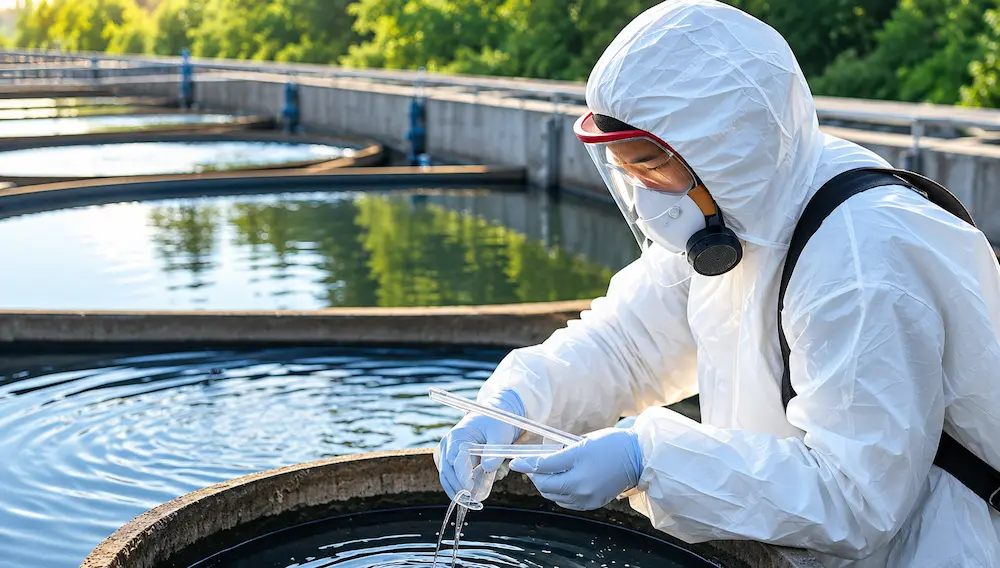
Professional Water Tank Cleaning 18 August 26
Cleaning a water tank is one of the most important steps in maintaining safe water for homes, offices, commercial buildings, and industrial facilities. However, many people assume that once the tank has been cleaned, the job is complete.
In reality, professional cleaning removes contamination, while water testing confirms that the stored water is safe for use.
Even if a tank looks spotless, there may still be factors affecting water quality that cannot be seen with the naked eye. This is why water testing plays an important role after professional water tank cleaning, particularly for properties that rely on stored water for drinking, cooking, bathing, or daily operations.
In this guide, we'll explain why post-cleaning water testing matters, what is commonly tested, and how it supports long-term water hygiene in Dubai.
Why Cleaning Alone Isn't Always Enough?
Professional water tank cleaning removes sludge, sediment, algae, dirt, and other visible contaminants from the tank's interior. It also includes disinfection to reduce microorganisms that may be present on internal surfaces.
While this process significantly improves hygiene, it does not automatically confirm that the water stored inside the tank meets expected quality standards after the cleaning is complete.
Water testing provides that final verification.
Think of it as the last quality check that confirms the cleaning and disinfection process has achieved its intended outcome.
What Does Water Testing Confirm?
Water testing helps evaluate whether the stored water is suitable for use based on several important quality indicators.
Depending on the purpose of the testing, professionals may assess:
- Water clarity
- Chemical balance
- Presence of bacteria
- Residual disinfectant levels
- Overall water quality
Testing provides measurable information rather than relying on appearance alone.
Why Clear Water Doesn't Always Mean Safe Water?
One of the biggest misconceptions is that clear water is automatically clean.
Water may appear colourless and odour-free while still containing microorganisms or other contaminants that are not visible.
Similarly, water that has recently been disinfected may require testing to confirm that disinfectant levels remain within an appropriate range.
Visual inspection is useful, but laboratory analysis provides a far more reliable assessment of water quality.
Key Water Quality Parameters Commonly Tested
Professional laboratories and water quality specialists may evaluate several important parameters after cleaning.
pH Level
The pH level measures whether water is too acidic or too alkaline.
Maintaining an appropriate pH helps preserve water quality and supports the effectiveness of the disinfection process.
Residual Chlorine
Following disinfection, a small residual amount of chlorine may remain in the water.
Testing helps confirm that the disinfectant has been effective while ensuring the remaining level is appropriate for the intended use.
Turbidity
Turbidity measures how clear the water is.
High turbidity may indicate suspended particles or incomplete removal of sediment during cleaning.
Total Dissolved Solids (TDS)
TDS refers to the amount of dissolved minerals and salts present in the water.
While minerals naturally occur in water, unusually high readings may indicate the need for further investigation.
Microbiological Testing
Microbiological analysis checks for the presence of bacteria and other microorganisms that may affect water hygiene.
This is often one of the most important parts of post-cleaning verification.
How Professional Cleaning Supports Better Test Results?
A thorough cleaning process creates the conditions needed for improved water quality.
Professional technicians typically perform tasks such as:
- Draining the tank completely
- Removing accumulated sludge
- Scrubbing internal surfaces
- Cleaning corners and difficult-to-reach areas
- Removing algae and deposits
- Applying approved disinfectants
- Rinsing before refilling
These steps help reduce contaminants before water testing takes place.
If you're planning professional maintenance, explore our Professional Water Tank Cleaning Services in Dubai to understand how the complete cleaning process works.
When Should Water Testing Be Carried Out?
The timing depends on the property's maintenance requirements and the purpose of the testing.
Water testing may be recommended:
- After professional water tank cleaning
- Following major maintenance work
- When contamination is suspected
- After extended periods of water stagnation
- Before reoccupying vacant buildings
- As part of routine preventive maintenance
- When required by property management policies
Commercial buildings, healthcare facilities, schools, and hospitality businesses often include periodic water testing as part of their maintenance programmes.
Signs That Water Testing May Be Necessary
Even if routine testing is not scheduled, certain warning signs should not be ignored.
Consider arranging professional testing if you notice:
- Cloudy or discoloured water
- Unpleasant taste or odour
- Visible sediment
- Algae growth
- Reduced confidence in water quality
- Long periods since the last tank cleaning
- Building maintenance affecting the water system
If these issues appear, cleaning and testing together provide a more complete assessment.
You may also find our guide on Top Signs That Your Water Tank Needs to Be Disinfected useful.
The Difference Between Cleaning and Testing
Although they work together, cleaning and testing serve different purposes.
| Removes sludge and debris | Measures water quality |
| Cleans internal surfaces | Verifies cleaning results |
| Removes visible contamination | Detects invisible issues |
| Includes disinfection | Provides measurable data |
| Improves tank hygiene | Confirms water quality |
Understanding this difference helps property owners appreciate why testing is often considered the final stage of professional maintenance.
Why Regular Water Testing Supports Long-Term Water Hygiene?
Water quality can change over time depending on:
- Tank condition
- Water usage
- Environmental factors
- Maintenance frequency
- Plumbing system condition
Routine testing helps identify changes before they become larger problems.
Combined with regular cleaning, it contributes to a proactive maintenance strategy rather than waiting until issues become obvious.
Benefits for Homes and Commercial Properties
Professional water testing offers several practical benefits.
For homeowners, it provides greater confidence that stored water is being properly maintained.
For commercial properties, schools, hotels, healthcare facilities, and industrial buildings, documented testing can also support internal maintenance records and demonstrate a commitment to water hygiene.
Regular monitoring may also help identify developing issues before they affect occupants or business operations.
Frequently Asked Questions
Is water testing necessary after every water tank cleaning?
The need for testing depends on the property's usage, maintenance programme, and operational requirements. For many commercial buildings and high-use facilities, testing forms part of routine water management.
Can I tell if water is safe just by looking at it?
No. Water can appear clean while still containing microorganisms or other quality issues that require laboratory analysis to detect.
Does cleaning guarantee safe water?
Professional cleaning significantly improves tank hygiene, but testing provides additional confirmation of water quality after the cleaning process.
Who performs water quality testing?
Water quality testing is generally carried out by qualified laboratories or specialists using recognised testing methods and appropriate sampling procedures.
Final Thoughts
Professional water tank cleaning is an essential step in maintaining a healthy water storage system, but it should not always be considered the final step. Water testing provides valuable confirmation that the cleaning and disinfection process has achieved its intended result and that the stored water meets expected quality standards.
Rather than relying solely on visual inspection, combining professional cleaning with appropriate water quality testing offers a more complete approach to water hygiene. Whether you manage a family home, commercial property, hotel, healthcare facility, or industrial site, regular maintenance supported by testing helps build confidence in the quality of your stored water.
By treating cleaning and testing as complementary processes rather than separate services, property owners can make more informed decisions about maintaining safe, reliable water systems throughout the year.


